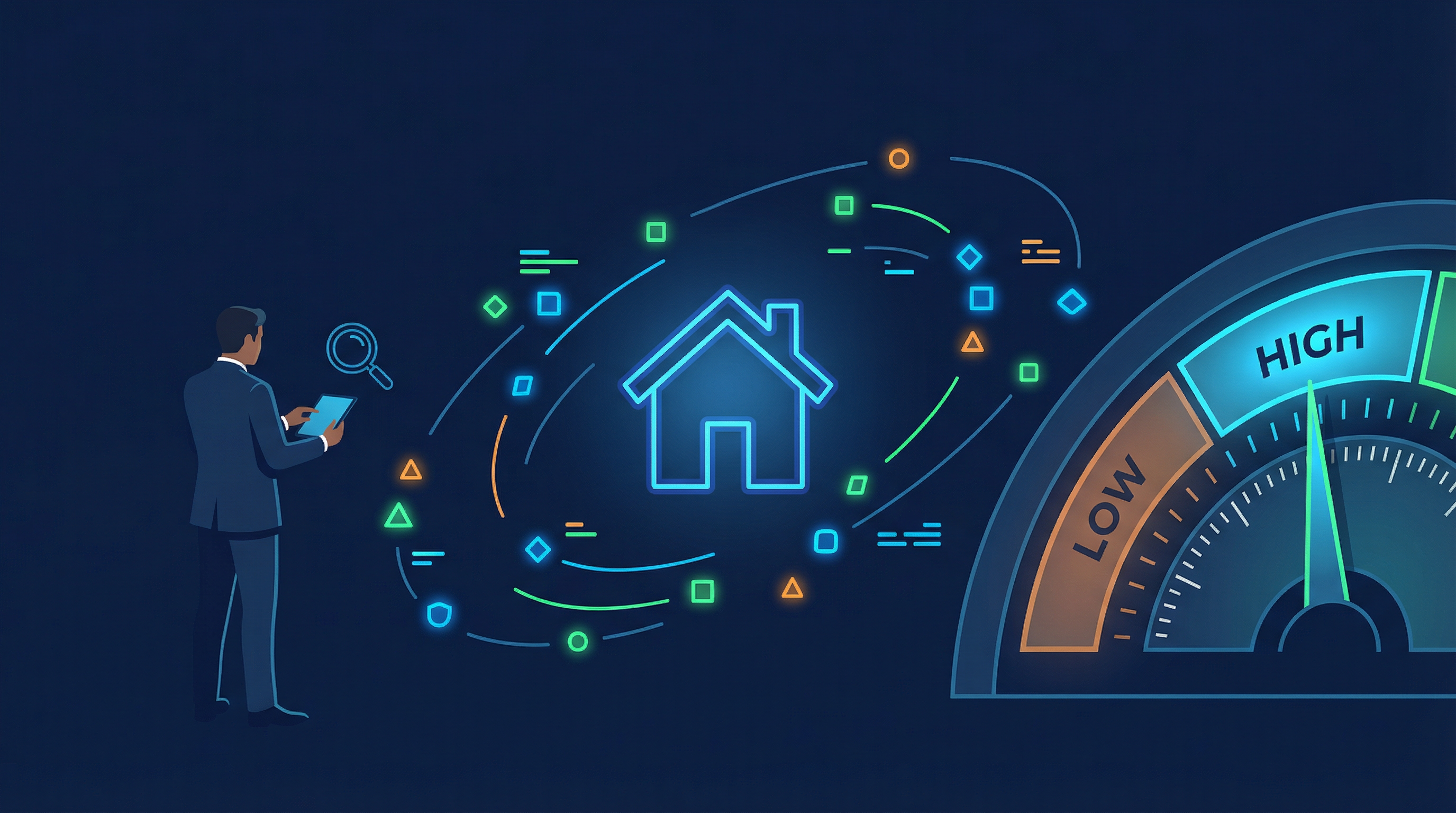

Why You Need to Understand AVM Real Estate Accuracy Today
You just pulled an AVM on a potential flip, and the number looks promising. But how much can you trust it? Automated valuation models (AVMs) are everywhere now, yet many investors still misunderstand what they deliver and when they’re reliable. If you’re relying on these numbers to decide on a $50K rehab or a buy-and-hold deal, knowing what is AVM real estate accuracy and its limits isn’t optional—it’s critical.
Most casual AVMs, like Zestimates or Redfin Estimates, are built for the average homeowner, not the investor eyeing distressed properties or renovation upside. These models can miss key factors that shift your deal’s value by tens of thousands. That’s why you need to know when to trust the AVM, when to run manual comps, and how to interpret the numbers for real investment decisions.
What Is an Automated Valuation Model in Real Estate?
An automated valuation model real estate tool uses algorithms and machine learning to estimate a property’s market value. It pulls comparable sales data, public records, market trends, and sometimes even tax assessments to calculate a number in seconds. Think of it as a data-driven shortcut to a quick estimate.
These models scan thousands of transactions and property attributes like square footage, number of bedrooms, and lot size. Then they apply statistical methods to predict what a buyer might pay today. The speed and scale are unbeatable, but the output depends heavily on the quality and relevance of the data fed into the system.
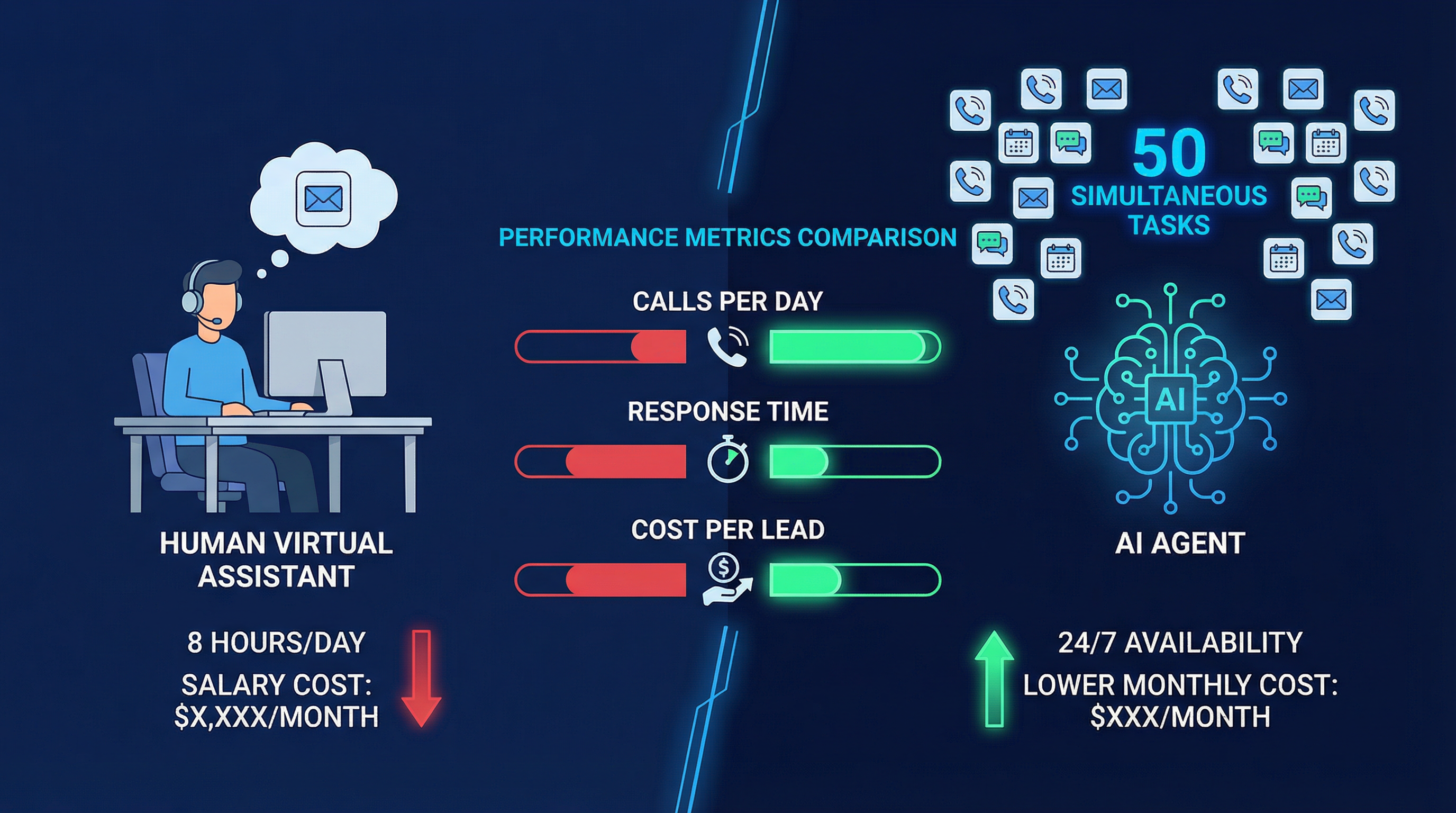
How Does AVM Accuracy Compare to Traditional Appraisals?
You’ve probably heard about avm vs appraisal accuracy debates. Traditional appraisals involve a licensed expert physically inspecting the property and analyzing neighborhood comps. They can factor in nuances like property condition, upgrades, and curb appeal.
AVMs, by contrast, rely purely on data. That means:
- In stable, high-transaction markets with dense data, AVMs often hit within 5-10% of an appraisal.
- In low-activity markets or for unique properties, errors can balloon beyond 15-20%.
AVMs aren’t a replacement for appraisals but a fast, cost-effective starting point. For example, if an AVM flags a property at $200,000 but you know it’s distressed with a leaky roof, your manual comps and inspection might adjust that down to $175,000.
What Factors Affect AVM Reliability for Investment Properties?
AVM accuracy hinges on several key factors:
Data Density: The more recent comparable sales nearby, the better the estimate. Sparse sales data means the AVM guesses more.
Market Activity: Hot or shifting markets with rapid price changes reduce AVM reliability because models can’t instantly adapt.
Property Uniqueness: Uncommon features—like a guesthouse, major renovations, or zoning quirks—often throw AVMs off.
Distressed Conditions: Foreclosures, fixer-uppers, or properties with code violations rarely get accurate AVM estimates because the model doesn't see condition.
Local Market Nuances: Neighborhood-specific trends, new developments, or recent shifts in buyer demand don’t always reflect immediately.
Revamp365’s AI property valuation tool addresses many of these by incorporating renovation value estimates and distressed property adjustments directly into the model.
When Should You Trust an AVM and When Should You Run Manual Comps?
Use AVMs as your first filter but never your final decision tool. Here’s a practical approach:
Trust AVM for:
- Quick screening of multiple deals in active markets.
- Properties with standard features and recent comparable sales.
- Getting a ballpark before committing to a site visit.
Run manual comps when:
- The property is distressed or unique.
- Market conditions are shifting rapidly.
- You’re preparing to make an offer or need precise ARV estimates.
Manual comps mean digging into local MLS data, tax records, and sales history, then adjusting for condition and upgrades. Revamp365 helps you combine AVM output with manual comps seamlessly, streamlining your analysis.
How Do AVMs Handle Distressed Properties and Unique Features?
Most consumer AVMs ignore distress factors. A flooded basement or a missing roof means nothing to their algorithms. They’ll treat that property as if it’s turnkey, inflating the value.
Investment-grade AVMs like Revamp365’s include:
- Distressed property filters: Automatically flagging and discounting properties with signs of distress.
- Renovation value estimates: Calculating ARV (after repair value) by estimating rehab costs and projecting post-renovation comps.
- Local market overlays: Adjusting for neighborhood-specific trends, including foreclosure rates and buyer demand.
This makes the difference between a misleading Zestimate number and a realistic offer range tailored for investors.
Common Mistakes Investors Make Using AVMs—and How to Avoid Them
Taking AVM values at face value. Treat AVMs as a starting line, not a finish line. Always verify, especially on deals with rehab potential.
Ignoring market shifts. AVMs lag in hot or cooling markets. If prices jumped 10% in 6 months, AVM data from last quarter is stale.
Overlooking property condition. Condition is everything in investing. If the AVM ignores it, you risk overpaying.
Using consumer AVMs for investment decisions. Free tools are designed for homeowners, not investors who need rehab cost estimates and distressed adjustments.
Skipping manual comps when warranted. Don’t assume algorithms replace human judgment. Your local market knowledge beats algorithms on unique deals.
Avoid these traps by combining your market expertise with Revamp365’s AI-powered AVM calibrated specifically for investors.
How to Interpret Revamp365’s AVM Output for Smarter Investment Decisions
Revamp365’s AVM report breaks value into actionable components:
- Base Market Value: Derived from comps and current market trends.
- Distress Adjustment: Automatically reduces value on flagged properties.
- Renovation Cost Estimate: Calculates rehab expenses based on property condition and scope.
- After Repair Value (ARV): Projects the post-renovation market value.
Use these figures to:
- Set realistic offer prices factoring rehab costs.
- Calculate profit margins before you write your LOI.
- Prioritize deals based on risk-adjusted returns.
For example, a property with a $180K base value, $40K rehab, and $250K ARV lets you quickly model your profit after acquisition and rehab costs. That’s precision you won’t get from generic consumer AVMs.
Where to Learn More and Deepen Your Deal Analysis
Mastering AVM accuracy is part of building a scalable investing system. Combine this with solid comp strategies and ARV calculations. Check out Revamp365’s guides on how to run comps and using the ARV calculator to sharpen your numbers.
Curious how consumer AVMs stack up against Revamp365’s investment-grade tools? Our Zillow vs Revamp365 comparison lays it out.
For a deeper dive on calculating ARV, explore how to calculate ARV.
Get precise investment valuations with Revamp365’s AI-powered AVM now
The largest database of curated off-market deals in the nation.
Claim Your Access